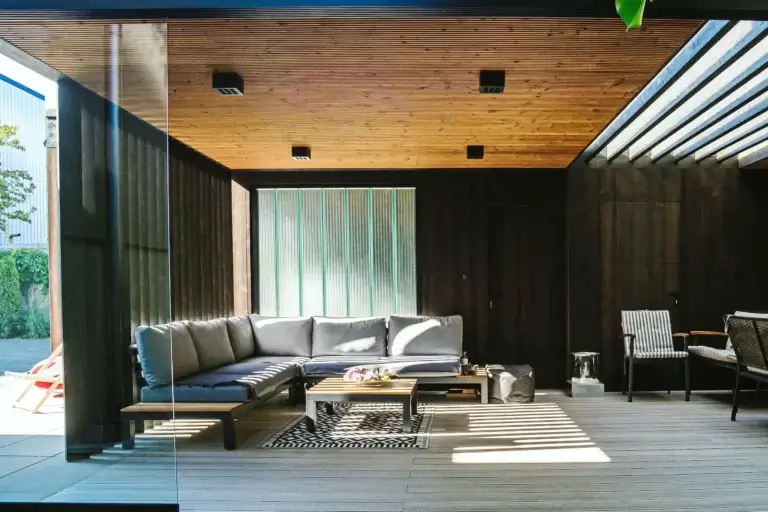
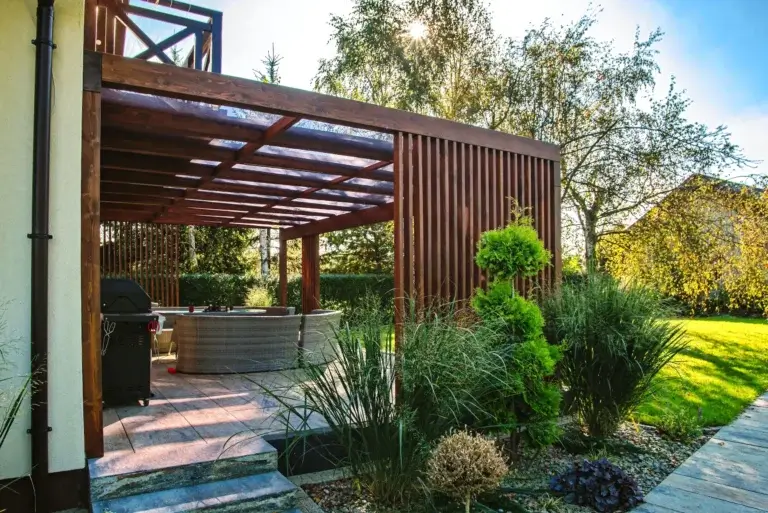
The perfect garden gazebo: style, materials and function in harmony
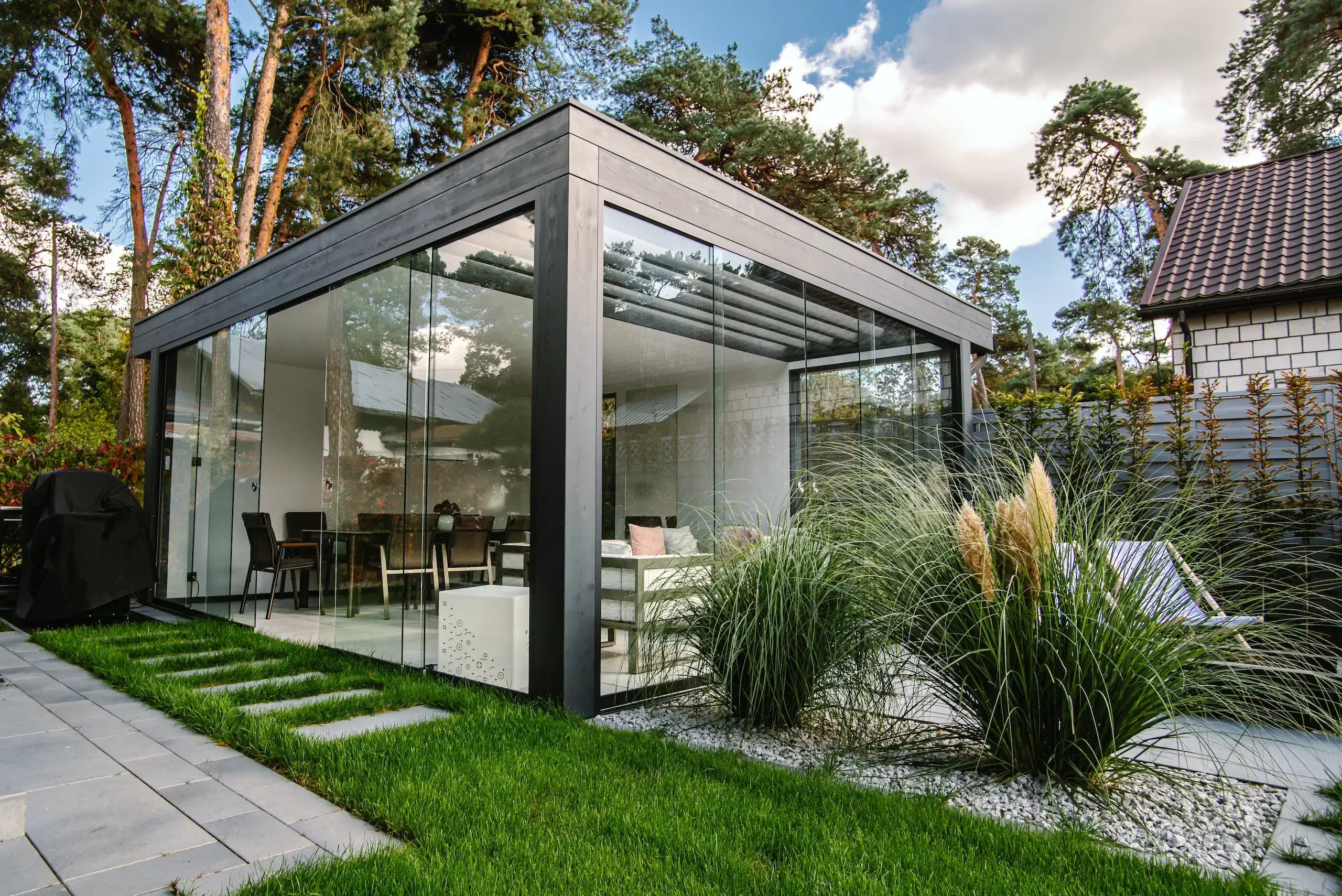
A garden gazebo can become the centrepiece of your outdoor space, offering both shelter from the elements and a stylish retreat. When choosing the ideal gazebo, there are a few important things to consider to make sure it suits your garden perfectly. Start by looking at the style of your garden: is it modern, rustic or classic? A gazebo should fit naturally into the existing design and bring out its character. The material also plays a crucial role. Wood, metal and plastic each have their advantages and disadvantages in terms of upkeep and durability. Finally, think about how you want to use the gazebo: will it be a cosy place to relax or somewhere to gather for evenings with friends? Taking these factors into account will help you choose a gazebo that looks good and meets your individual needs.
- A garden gazebo can be the centrepiece of your garden and should fit naturally into its existing layout. Consider whether your garden has a modern, rustic or classic design, and choose a gazebo that complements it.
- The choice of material matters. Wood has a natural look but needs regular care. Metal is durable and easy to maintain, though it can get hot in direct sunlight. Plastic is lightweight and needs little maintenance, but it may be less sturdy.
- Think about how you want to use the gazebo. Will it be a place to relax, a dining area or a shelter from bad weather? Your answer will help you choose a suitable design and decide how to furnish it.
- The size and position of the gazebo help create a balanced look in the garden. Measure the available space carefully and make sure the gazebo is easy to reach and gets enough sunlight.
- Check the building regulations in your area. In some cases, you may need a building permit, particularly if the gazebo exceeds a certain size or is permanently anchored to the ground.
- Regular care extends the life of your gazebo. Protect wood from moisture and check metal for rust. Plastic gazebos benefit from occasional cleaning.
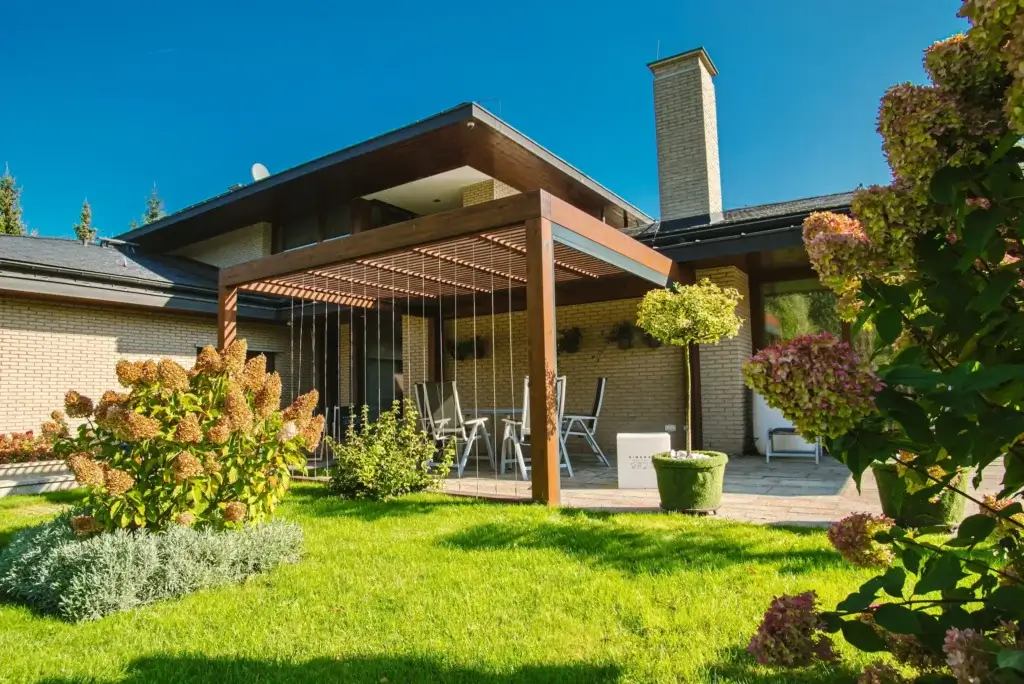
Choosing a garden gazebo: what should you look for?
Choosing the ideal garden gazebo starts with considering the style of your garden. A gazebo should fit naturally into the garden as a whole and bring out its character. Consider whether your garden leans towards a modern, rustic or classic design, and choose a gazebo that complements that style. Clean lines and minimalist designs work well in a modern garden, while natural materials such as wood enhance a rustic garden. Playful details and delicate structures, in turn, can bring out the character of a classic garden.
Size and position are also important when choosing a gazebo. Measure the available space carefully, taking the height of the gazebo into account as well. A gazebo that is too large or too small can throw the garden out of balance. Choose a spot that is easy to reach, gets enough sunlight and offers shelter from the wind. Consider the following when deciding where to put it:
- Access: Make sure the paths leading to the gazebo are clear.
- Sunlight: Choose a spot that gets enough light.
- Ground conditions: The ground should be firm enough to anchor the gazebo securely.
Taking these points into account will help you create a retreat in your garden that is both practical and attractive.
The right gazebo for your garden: style and design
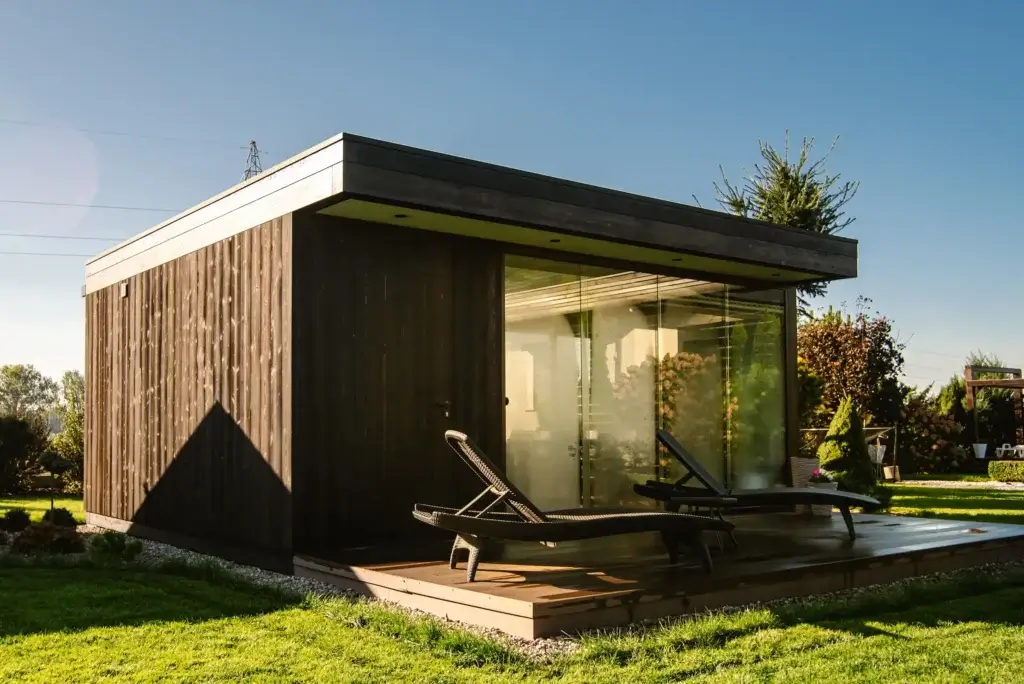
A garden gazebo can become the centrepiece of your outdoor space, providing shelter and bringing out the style of your garden. When choosing a gazebo, look for one that fits naturally into the garden as a whole. A modern gazebo with clean lines and minimalist details works particularly well in a contemporary garden with geometric shapes and simple planting schemes. A rustic wooden gazebo, on the other hand, fits beautifully into a naturalistic garden with wild-looking flower beds and natural materials. If you appreciate classic elegance, a traditional gazebo with playful details and curved shapes could be the perfect choice.
To find the right style, think about the atmosphere you want to create in your garden. A modern gazebo can lend the garden an elegant touch, while a rustic or classic style creates a cosy, inviting setting. Here are some design options to consider:
- Modern: Clean lines, neutral colours, minimalist decoration.
- Rustic: Natural materials such as wood, warm earth tones, handcrafted details.
- Classic: Playful ornamentation, curved shapes, traditional colours.
Keep in mind that the gazebo should look good and suit the way you want to use it. Whether it is a quiet place to read or somewhere to gather for evenings with friends, the right style can make all the difference.
Garden gazebo materials: wood, metal or plastic?
Material is an important consideration when choosing a garden gazebo because it affects how the gazebo looks, how long it lasts and how much care it needs. Wooden gazebos are known for their natural beauty and blend into any garden setting. They create a warm, inviting atmosphere that is ideal for leisurely afternoons or evenings with friends. However, they need regular care to preserve their beauty and protect them from the weather. This may include regularly painting the wood or treating it with a preservative to protect it from moisture and pests.
Metal gazebos, particularly those made of steel or aluminium, offer a modern, elegant alternative. They are extremely durable and need less maintenance than wooden gazebos. Aluminium is also lightweight and does not rust, while steel stands out for its strength. One possible drawback is that metal conducts heat, so the gazebo can get very hot in direct summer sun. Plastic gazebos, meanwhile, are lightweight and often less expensive. They are easy to care for and come in many designs, though they can fade over time or be less able to withstand strong winds. When choosing a material, consider both the look you prefer and practical matters such as upkeep and cost.
Wooden gazebo or metal gazebo: which is better?
A garden gazebo can be the centrepiece of your outdoor space, and the choice between wood and metal depends on several factors. Part of the appeal of a wooden gazebo is its natural look, which fits easily into any garden. The warm colours and distinctive grain of the wood create an inviting atmosphere, ideal for leisurely afternoons or evenings with friends outdoors. Wood does, however, need regular care to protect it from the weather. This includes painting or oiling it to protect it from moisture and pests.
A metal gazebo, whether made of steel or aluminium, has a modern look and is known for its durability. These gazebos are easy to care for and need little maintenance, making them a practical choice if you want a sturdy, weatherproof shelter. Aluminium is particularly resistant to corrosion and is lightweight, while steel offers excellent stability. One possible drawback is that metal conducts heat in direct sunlight, so it makes sense to position the gazebo in the shade or provide extra shading.
- Advantages of wood: Its natural appearance blends in with the surroundings.
- Disadvantages of wood: Needs regular care and maintenance.
- Advantages of metal: Durable, easy to maintain, modern in appearance.
- Disadvantages of metal: Can be more expensive and conducts heat in direct sunlight.
Ultimately, the choice depends on your priorities. Would you like a natural look that takes a little more care, or would you prefer a modern design that needs very little maintenance? Both options have their merits, and the choice comes down to your individual needs and the style of your garden.
Garden gazebo functions: ways to use your gazebo
A garden gazebo has many uses and offers plenty of ways to get more out of your outdoor space. Whether you use it as a cosy place to relax, a stylish dining area or a handy shelter in bad weather, the possibilities are almost endless. To decide on its main purpose, start by thinking about what you want and need from your garden. Would you like a quiet retreat where you can get away from everyday life? Or do you see the gazebo as the main gathering place for friends and family? Your answers will help you choose a suitable design and decide how to furnish your gazebo.
A well-planned garden gazebo can also serve several purposes and adapt to different occasions. Here are a few ideas for making the most of yours:
- A place to relax: Furnish the gazebo with comfortable seating and add decorative touches to create a peaceful retreat.
- Dining area: A sturdy table and weatherproof chairs make the gazebo a perfect spot for outdoor meals.
- Seasonal use: With suitable side panels or mosquito nets, you can use the gazebo all year round and protect yourself from insects or chilly winds.
Deciding exactly how you want to use your garden gazebo will help you make it an attractive, practical and versatile part of your garden.
Garden gazebo care and maintenance
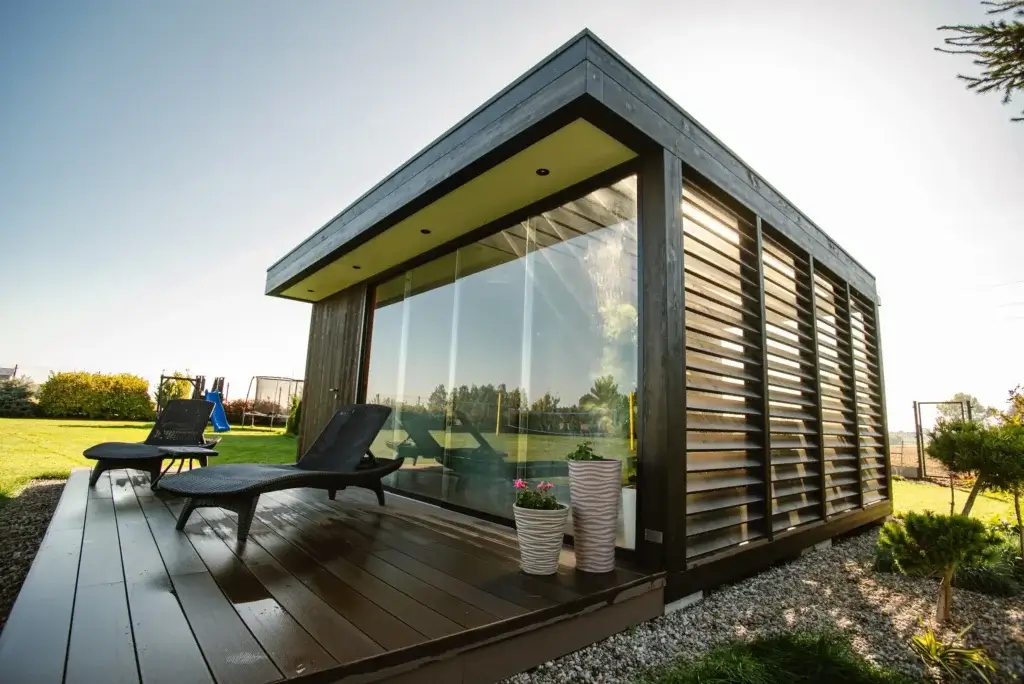
Looking after your garden gazebo is essential if you want it to last. Whether it is made of wood, metal or plastic, there are a few basic tasks to carry out regularly. With wooden gazebos, it is important to protect the wood from moisture and pests. Regular treatment with a wood preservative can help keep it in good condition. You should also make sure the gazebo stands on a stable foundation to prevent uneven ground from causing distortion or damage.
Metal and plastic gazebos need less intensive care, but they still need some attention. If you have a metal gazebo, particularly one made of steel or aluminium, check it regularly for signs of rust and apply a protective varnish if needed. Plastic gazebos benefit from an occasional wash with mild soapy water to remove dirt and build-up. Whatever the material, check your gazebo regularly for loose parts or damage. Here are some general care tips:
- Regular inspection: Check the gazebo for damage or signs of wear.
- Seasonal cleaning: Remove leaves and dirt from the roof and frame.
- Protective measures: Use covers in winter or during heavy rain.
These simple steps will help keep your garden gazebo an attractive and practical part of your garden for years to come.
Building regulations for garden gazebos: what do you need to consider?
When putting up a garden gazebo, it is important to find out which building regulations and permit requirements apply in your area. The rules can vary from one federal state or municipality to another. In some areas, you need a building permit, particularly if the gazebo exceeds a certain size or is permanently anchored to the ground. It is worth checking with the relevant building authority or your town hall beforehand to make sure you meet all the legal requirements.
When checking the building regulations, consider the following factors:
- Gazebo size: There are often specific size thresholds at which a permit becomes necessary.
- Location: Regulations may specify how far the gazebo must be from neighbouring properties and public paths.
- Ground anchoring: Whether you plan to install the gazebo permanently or keep it portable can affect whether you need a permit.
Alongside the legal aspects, think about practical matters too. A well-placed pavilion should look right in your garden and serve its purpose. Make sure it’s easy to reach and gets enough sunlight. If you have questions about where to put it or what the building requirements are, a professional can offer valuable advice.
Garden pavilion size and placement: How much space do you need?
Choosing the right size for your garden pavilion is essential if you want it to fit perfectly in your outdoor space and serve its purpose well. Start by carefully measuring the space available in your garden. Consider both the pavilion’s footprint and its height to make sure it fits in with its surroundings. A pavilion that’s too large can make the space feel crowded, while one that’s too small may not meet your needs. Keep in mind that the pavilion should have enough room to comfortably accommodate furniture or other furnishings.
When choosing a spot for your garden pavilion, there are several practical things to consider. Make sure it’s easy and convenient to get to. Think about where the paths run through your garden and whether it makes sense to place the pavilion near an existing path. Sun exposure matters too: a well-placed pavilion can provide natural shade, keeping you comfortably cool on hot summer days. Consider the following points:
- Access points: Make sure the pavilion is easy to reach and there are no obstacles in the way.
- Sun exposure: Choose a spot that offers both shade and sunlight.
- Surroundings: The pavilion should fit naturally into your existing garden layout.
By taking these factors into account, you can create a garden retreat that’s both practical and attractive.