Build your own pergola: tips on location, roofing and climbing plants for your DIY project
Have you ever thought about giving your garden a little something extra? A pergola could be just what you’re looking for! It catches the eye and has plenty of practical benefits, too. Whether you want a shady retreat on hot summer days or a stylish garden feature, a pergola can turn your outdoor space into a place where you can truly relax. In this article, you’ll find out why a pergola is a worthwhile investment and how to make it fit naturally into your garden. Let’s explore how a pergola can make your garden more attractive and give you more ways to use it.
- Visual appeal: A pergola can make your garden much more attractive and serve as a focal point in its design.
- Shade and shelter: It offers shelter from both the sun and light rain, making it more pleasant to spend time outdoors.
- Versatility: From a dining area to a quiet retreat, there are plenty of ways to use a pergola, and you can adapt it to suit your needs.
- Choice of materials and designs: From classic wooden pergolas to modern metal structures, there are plenty of options to suit any garden style.
- Building from scratch or using a kit: Building from scratch gives you the freedom to design your own pergola, but it takes some DIY skill. Kits are quicker to put together but give you less scope to personalise the design.
- Careful planning: Deciding what purpose your pergola will serve and how you’ll use it, along with checking permits and building regulations, is essential to a successful project.
- Choosing a location: Where you put your pergola makes a real difference to how well it serves its purpose. Consider the path of the sun, where shadows fall and how the pergola fits into your garden design.
Introduction – Why a garden pergola is a worthwhile investment
A garden pergola is more than just a decorative feature. It offers plenty of benefits that make it a worthwhile investment. As a design feature, a pergola can turn your garden into a real outdoor living room. It creates a focal point while fitting naturally into your existing garden design. Depending on the materials and design you choose, it can look modern or classic, so you can adapt it to suit any garden style.
Another major benefit of a pergola is the shade it provides. On hot summer days in particular, it offers a pleasant retreat from the sun. There’s more, too: with the right roofing, a pergola can also provide shelter from light rain. Here are some of the benefits a pergola can offer:
- Visual appeal: A well-designed pergola can make your garden much more attractive.
- Shade and shelter: It offers shelter from sun and rain, making it more pleasant to spend time outdoors.
- Versatility: From a dining area to a quiet retreat, there are plenty of ways to use a pergola.
With these benefits in mind, it’s easy to see why a pergola can be a valuable addition to any garden. It combines good looks with practical uses and creates a space where you’ll want to linger.
Pergolas as garden features and sources of shade
Pergolas are practical structures that provide shade and shelter, and they really catch the eye in a garden. Their elegant construction and the scope for personal touches can quickly make them the focal point of any garden design. A pergola can be made from various materials, including wood, metal or even plastic. Wooden pergolas are especially popular because they have a natural warmth and blend easily into their surroundings. Metal pergolas, on the other hand, have a modern look and are extremely durable.
With so many designs to choose from, you can find a pergola that fits your garden style perfectly. Whether you prefer classic straight lines or playful rounded arches, the design possibilities are almost endless. Some popular design ideas include:
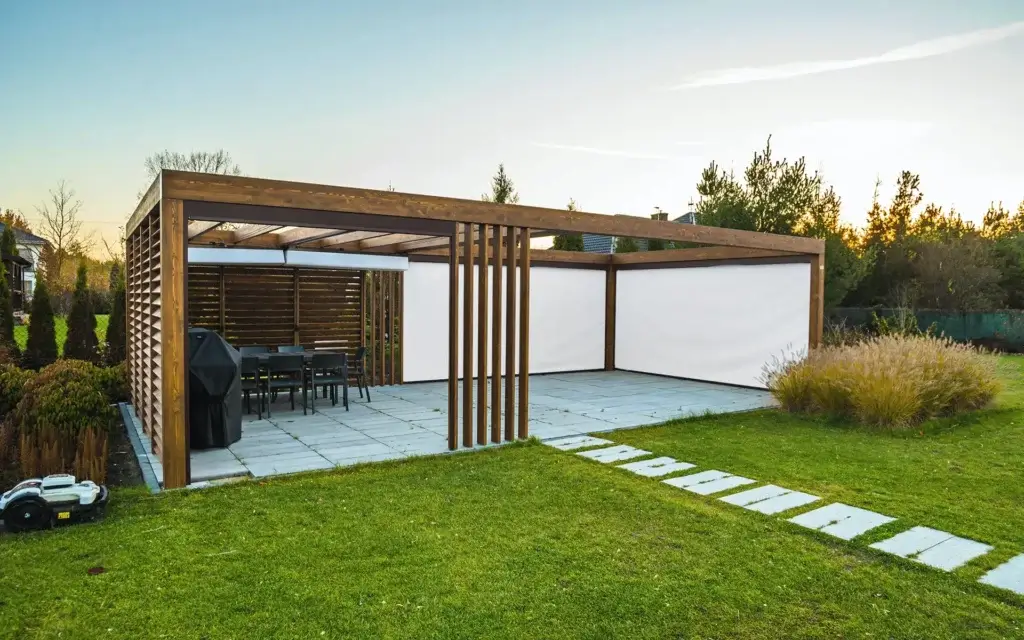
- Classic wooden pergolas with trellises for climbing plants.
- Modern metal structures with striking, clean lines.
- Mediterranean designs with curved shapes and decorative details.
With the right design and material, a pergola can provide shade and serve as a focal point that enhances the whole garden.
Building from scratch or using a kit – When is it worth building your own pergola?
If you’re thinking about building your own pergola, there are a few important things to consider. Building a pergola from scratch can be rewarding, but it has both advantages and disadvantages compared with buying a kit. One big advantage is that you can design the pergola to suit your own tastes and needs. You’re free to choose the materials, design and size, so you can create a garden feature that’s entirely your own. Building from scratch does take some DIY skill, though, as well as time and patience. Costs can vary depending on the materials you choose and whether you already have the tools you need.
A pergola kit, on the other hand, is quicker to put together. Kits are often designed so that even less experienced DIYers can assemble them without difficulty. They include all the necessary parts and detailed instructions, which makes assembly easier. Bear in mind, though, that a kit might not be quite the right fit for your garden or give you the look you have in mind. When deciding whether to build from scratch or use a kit, consider the following points:
- Cost: Building from scratch can be cheaper if you already have tools and choose inexpensive materials.
- Time: A pergola built from scratch takes more time to plan and build.
- DIY skills: You’ll need basic DIY skills to build a pergola from scratch.
- Individuality: Building from scratch lets you tailor the pergola to your needs, while kits come in standard designs.
Ultimately, the decision depends on how much time and effort you want to put in and how much it matters to you to have a design of your own. Both options have their merits – it comes down to what suits your needs best.
Planning your pergola – The key to a successful project
Planning is the crucial step in making sure your pergola looks good, serves its purpose and lasts. Thorough planning helps you avoid problems later and get the most out of your investment. Start by deciding what purpose your wooden pergola will serve and how you’ll use it. Will it be a dining area, a quiet retreat or perhaps a support for climbing plants? Your answers will have a big influence on the design of your pergola and the features you include.
Permits and building regulations are another important consideration. Check your local building regulations and find out whether you need a building permit. Requirements can vary from region to region and often depend on the size and location of the pergola. As you plan, consider the size, shape and style as well, so that your pergola fits naturally into your garden. Here are a few tips to help you choose:
- Size: Make sure the pergola fits the available space without overwhelming it.
- Shape: Choose a shape that follows the lines of your garden.
- Style: The style should suit the overall look of your garden, whether modern, rustic or classic.
It’s also important to set a realistic budget. Along with the cost of materials, allow for tools and any extra costs for professional help or permits. Planning these details carefully will help your project run smoothly and ensure your new pergola turns out just as you imagined.
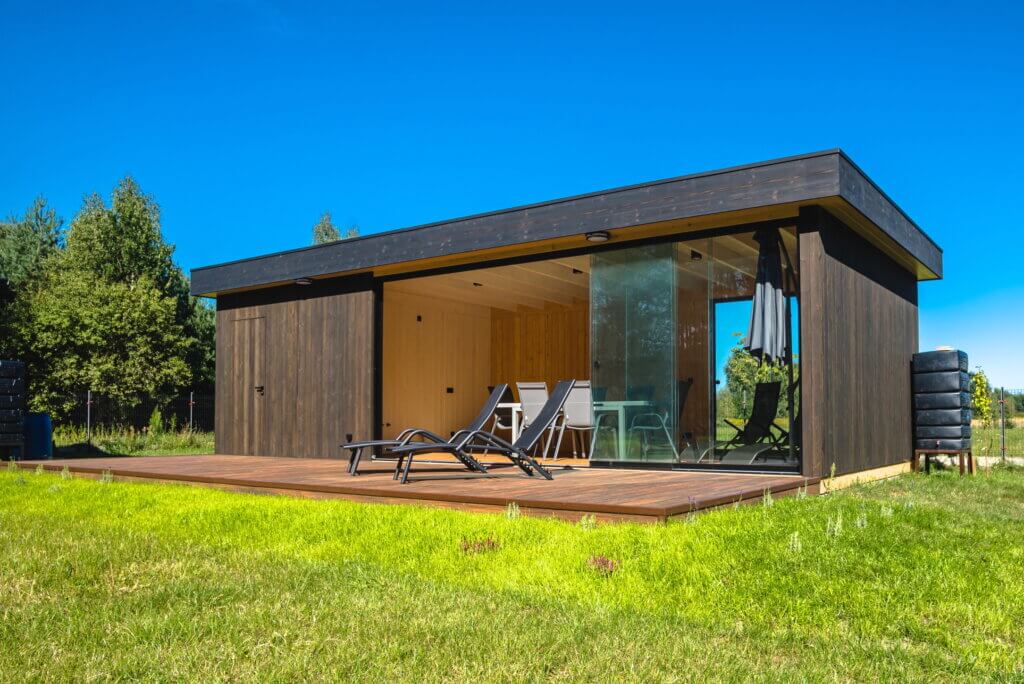
Decide in advance what your pergola is for and how you’ll use it
Before you start building your pergola, it’s essential to be clear about how you want to use it. Would you like a cosy dining area where family and friends will want to linger? Or would you prefer a quiet retreat where you can read a book in peace? These questions matter both for the design and for the features you’ll need. If you plan to use your pergola for dining, you may need a firmer surface for tables and chairs, as well as enough roof cover to shelter you from sun and rain.
If you’re planning a place to relax, letting climbers such as ivy or grapevines grow over your pergola could be ideal. These plants provide natural shade and make the pergola more attractive, too. Here are a few points to consider:
- Dining area: Allow enough space for furniture and choose a weatherproof roof.
- Quiet retreat: Choose plants that grow quickly and cast deep shade.
- Flexibility: Think about whether you’d like to include extra features such as trellises or side panels for shelter from the wind.
How you decide to use your pergola will shape the whole project, from your choice of materials to the final design. Take time to plan carefully and adapt your ideas to your own needs.
Check permits and building regulations
When building a pergola in your garden, it’s important to understand which building regulations apply. In many regions, you may need a building permit for a pergola, particularly if it exceeds a certain size or is permanently fixed to the ground. It’s worth checking with your local building authority beforehand to make sure you meet all local requirements. These can vary by federal state and municipality. For example, you may need a building permit if your pergola exceeds a certain height or is built at a specified distance from the property boundary.
To avoid unpleasant surprises, keep the following points in mind:
- Size and height: Check whether your planned pergola exceeds the permitted dimensions.
- Distance from the property boundary: Find out what minimum distances you need to observe.
- Ground anchoring: A permanently anchored pergola may be classed as a structure under building regulations and therefore require a permit.
It’s also worth knowing that some municipalities may have specific rules for building pergolas, particularly when it comes to materials and design. Get familiar with your local building regulations early on and consult a professional if needed. That way, you can make sure your pergola looks good and meets the legal requirements.
Choose a size, shape and style that suit your garden
When choosing the size, shape and style of your pergola, consider how it will fit into your garden. A well-planned pergola can serve a practical purpose and catch the eye, too. Start by thinking about what you want your pergola to do. Will it be a shady retreat or mainly a decorative feature? Your answer will go a long way towards determining its size and shape.
Compact pergolas work well in smaller gardens because they don’t overwhelm the space. Slender designs with clean lines are ideal here. In a larger garden, you can choose a more expansive structure with room for climbing plants. When it comes to materials, you have several options:
- Wood gives your garden a natural charm and pairs well with plants.
- Metal has a modern look and is particularly durable.
Keep in mind that the design of your wooden pergola should suit the style of your house so that the two look right together.
Set a realistic budget
Setting a realistic budget for your pergola is essential if you want to avoid unexpected costs and complete the project successfully. Start by looking at material costs. The type of wood you choose makes a big difference: spruce and pine are less expensive, while larch is more durable. If you prefer a more luxurious material like teak, be prepared to spend more. Remember to include the cost of treating the wood and having it cut to size in your budget.
Alongside the cost of materials, the cost of tools is an important factor. If you don’t own all the tools you need, such as cordless screwdrivers or handheld circular saws, it may make sense to rent or buy them. You may also need to budget for professional help, especially if you need a hand with planning or building your pergola. In some cases, you may need permits, which can mean extra fees. To get an overview of all the potential costs, make a list:
- Material costs: Types of wood and preservative treatment
- Tool costs: Buying or renting tools
- Services: Professional help and advice
- Permits: Any fees charged by the local authorities
This list will help you put together a thorough, realistic budget so your pergola project goes smoothly.
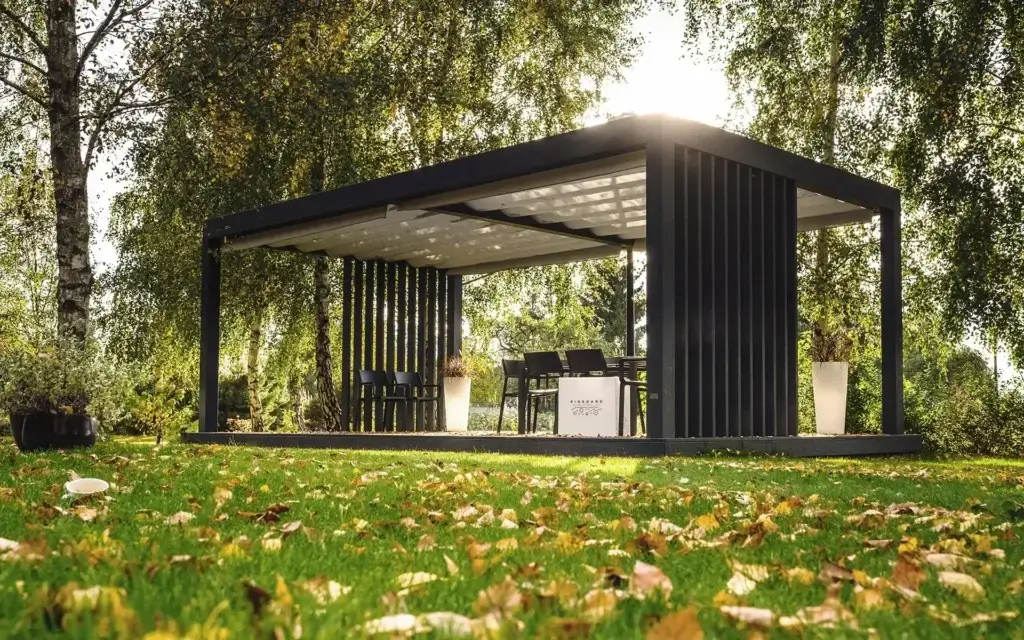
The right spot for your pergola
When choosing a spot for your pergola in the garden, there are a few important things to consider so you can get the most out of your new outdoor living room. One of the most important is the path of the sun. Watch how the sun moves across your garden throughout the day. A pergola that’s in the shade in the afternoon can be a pleasant spot on hot summer days. On the other hand, you might like to enjoy the first rays of morning sunshine. So think carefully about when and where you’ll want the most shade or sunshine.
Another thing to consider is the shade cast by other garden features or buildings. Make sure trees or tall structures won’t block the light you want. How close you are to other garden features, such as a pond or patio, can also make a difference. Here are a few tips for choosing a spot:
- Proximity to the house: A pergola close to the house can serve as an extension of your living space and is convenient for outdoor meals.
- Garden design: Make sure your pergola fits naturally into your existing garden design.
- Access to water and electricity: If you’d like to include lighting or a small fountain, choose your spot accordingly.
By taking these factors into account, you can make sure your pergola is practical, looks good and fits perfectly into your garden.